
When considering a franchise opportunity in the facility management industry, there are many factors to evaluate, from startup costs and training, to market demand and growth potential. But one factor can have a major impact on the long-term health of the business: how revenue is generated.
Facility management is centered around helping businesses keep their buildings clean, safe, functional, and well maintained. Many of those needs aren’t one-time projects. Commercial buildings require services such as janitorial, floor care, landscaping, HVAC maintenance, window cleaning, and other facility solutions on an ongoing basis.
That creates an opportunity for a business model built around recurring revenue.
What Is Recurring Revenue?
Recurring revenue is generated when customers purchase products or services on a regular schedule through contracts, subscriptions, or service agreements. Instead of starting every month at zero, businesses with recurring revenue have a foundation of existing customers that continue to generate income over time.
Examples include:
- Commercial cleaning
- Facility maintenance
- Landscaping
- Pest control
- Security monitoring
In contrast, transaction-based businesses rely primarily on one-time purchases. While both models can be successful, recurring revenue often creates a more predictable financial foundation.
According to Investopedia, recurring revenue is valued because it provides businesses with reliable income that is easier to forecast and manage over time.
Predictable Revenue Makes Planning Easier
Imagine beginning each month already knowing a significant portion of your expected revenue.
That’s one of the biggest advantages of a recurring revenue business.
Instead of wondering where the next sale will come from, business owners spend more time improving operations, serving customers, and growing the business.
Predictable revenue also makes it easier to:
- Create budgets
- Hire employees
- Purchase equipment
- Invest in marketing
- Plan for future expansion
The U.S. Small Business Administration (SBA) emphasizes managing cash flow is one of the most important responsibilities of any business owner. Consistent revenue helps businesses better manage expenses and prepare for future growth.
Long-Term Customers Are Valuable
Businesses built around recurring revenue focus on keeping customers satisfied over the long term, not just making the next sale.
That creates stronger customer relationships and often leads to:
- Higher customer retention
- Additional service opportunities
- More referrals
- More predictable growth
Research from Harvard Business Review found retaining existing customers is often far less expensive than acquiring new ones. Loyal customers also tend to purchase more over time, making customer retention one of the most important drivers of long-term profitability.
This doesn’t mean businesses can stop selling. Instead, recurring revenue creates a strong foundation that allows owners to build on existing success rather than constantly replacing lost business.
Why Investors and Buyers Like Recurring Revenue
Even if selling your business isn’t part of your current plan, it’s worth thinking about the future.
Businesses with recurring revenue are often viewed as less risky because future income is easier to estimate. Buyers place greater value on businesses that have established customer relationships and predictable cash flow than businesses that rely entirely on one-time sales.
Investopedia notes recurring revenue is considered an important indicator of a company’s financial health and long-term stability because it provides a more reliable picture of future earnings.
Recurring Revenue Can Help Support Growth
Growth takes time, people, and resources.
Businesses with recurring revenue often have an advantage because they aren’t rebuilding revenue from scratch each month. Existing customer contracts continue generating income while new customers add to the business.
That stability can make it easier to:
- Hire with confidence
- Expand into new markets
- Invest in technology
- Improve customer service
- Scale operations over time
While every business faces challenges, recurring revenue reduces some of the uncertainty that comes with managing a growing company.
What This Means When Choosing a Franchise
Every franchise opportunity has its own strengths, and recurring revenue isn’t the only factor to consider.
However, asking how a franchise generates revenue is an important part of evaluating any business opportunity.
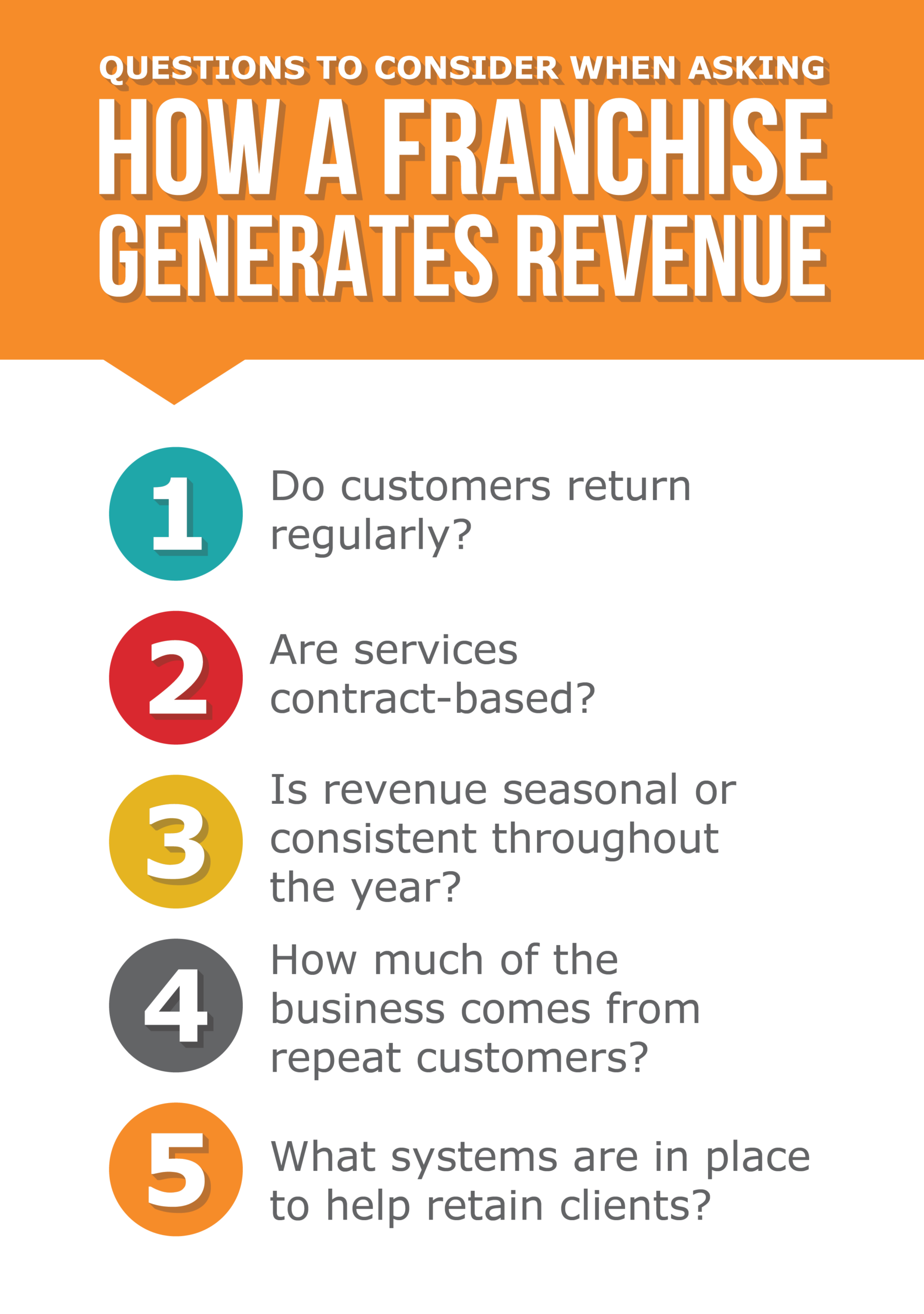
Questions to consider include:
- Do customers return regularly?
- Are services contract-based?
- Is revenue seasonal or consistent throughout the year?
- How much of the business comes from repeat customers?
- What systems are in place to help retain clients?
The answers provide valuable insight into the long-term stability and growth potential of the business.
Build a Business Designed for the Long Term
A business built on recurring customer relationships can offer greater predictability, stronger customer loyalty, and a foundation for long-term growth.
If you’re interested in learning more about City Wide Facility Solutions and our recurring revenue business model, visit GoCityWide.com.